Sport
24 January, 2026
Freshwater fish love snacks
NEW research has found that roughly half of Australia’s freshwater fish are fond of snacking on animal and plant material, including fruits, from outside their aquatic habitats.

Published in Freshwater Biology, the study is the first to look at how important plants and other land-based foods are for native freshwater fish throughout Australia, revealing that a lot of species cannot survive on aquatic food sources alone.
“No one has ever tried to determine the reliance of freshwater fish on terrestrial-derived diets at this scale, either in Australia or globally,” said James Cook University TropWATER researcher Dr Aaron Davis, who contributed to the study.
“Australia has famously nutrient-poor soils, so terrestrial inputs play a critical role in adding energy into freshwater ecosystems that fish wouldn't otherwise have access to,” he said.
The researchers, also from Griffith University and The University of Western Australia, analysed dietary data for 137 native freshwater fish species, examining how reliance on land-derived food according to species, body shape and climate.
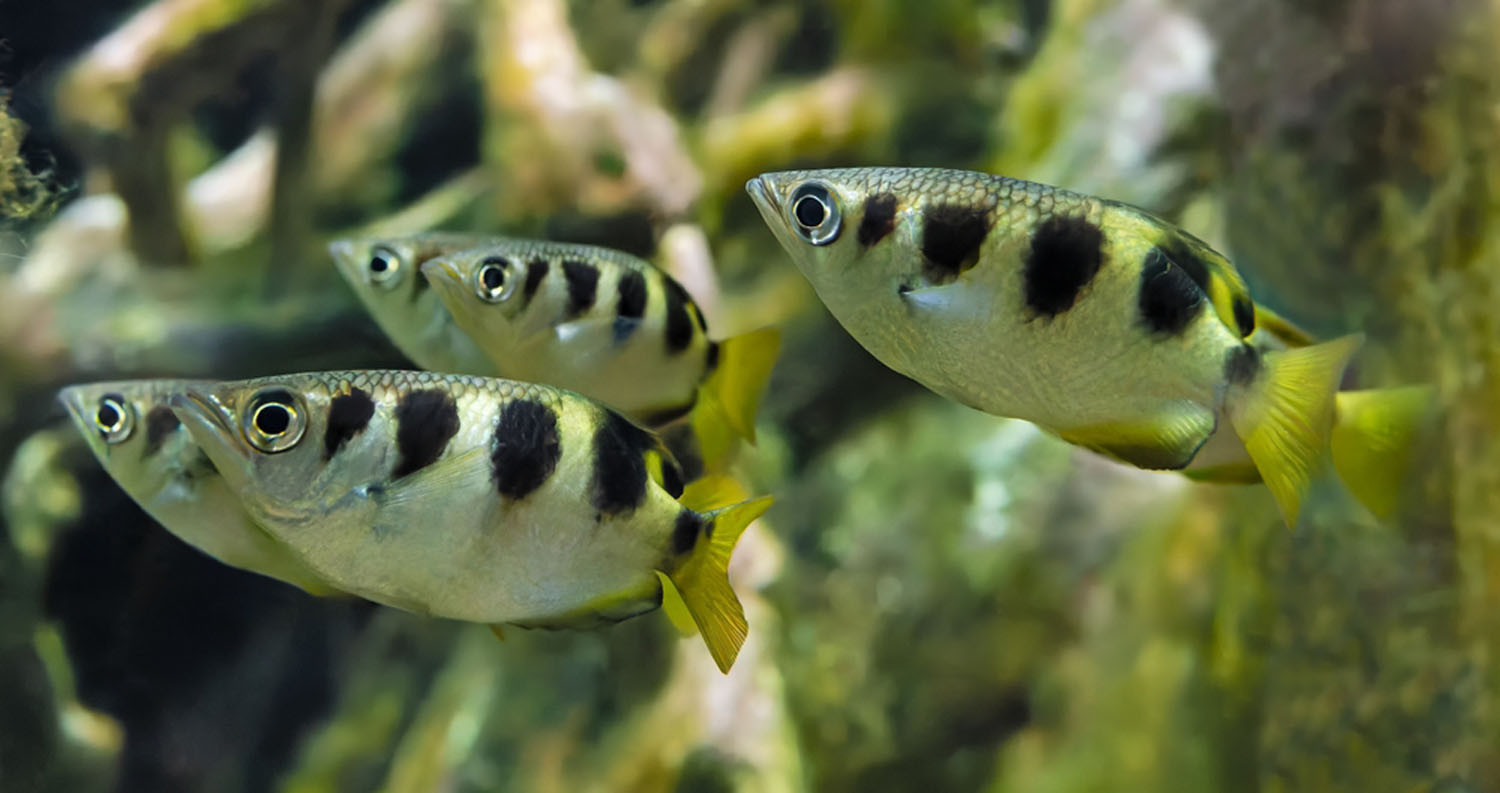
They found that terrestrial invertebrates, such as insects, worms and spiders, were an important food source for a quarter of the fish species, particularly jollytails (Galaxiidae) and rainbow fish (Melanotaeniidae).
Fruit consumption was especially common among grunter (Terapontidae) and fork-tail catfish (Ariidae) families and was significantly higher in northern Australia’s wet-dry tropics.
“Australia's got the most variable climates in the world, particularly in terms of rainfall and stream flow,” said Dr Davis.
“For many of our native fish, aquatic food sources aren’t always consistently available," he said.
“So being able to take advantage of food that falls into the water from surrounding land vegetation makes sound evolutionary sense.”
Dr Davis said fish size, mouth shape and regional climate all influenced dietary preferences.
“Grunters, for example, eat what you would call ‘bush tucker’ – native fruits like figs, bush plums and river cherries,” he said.
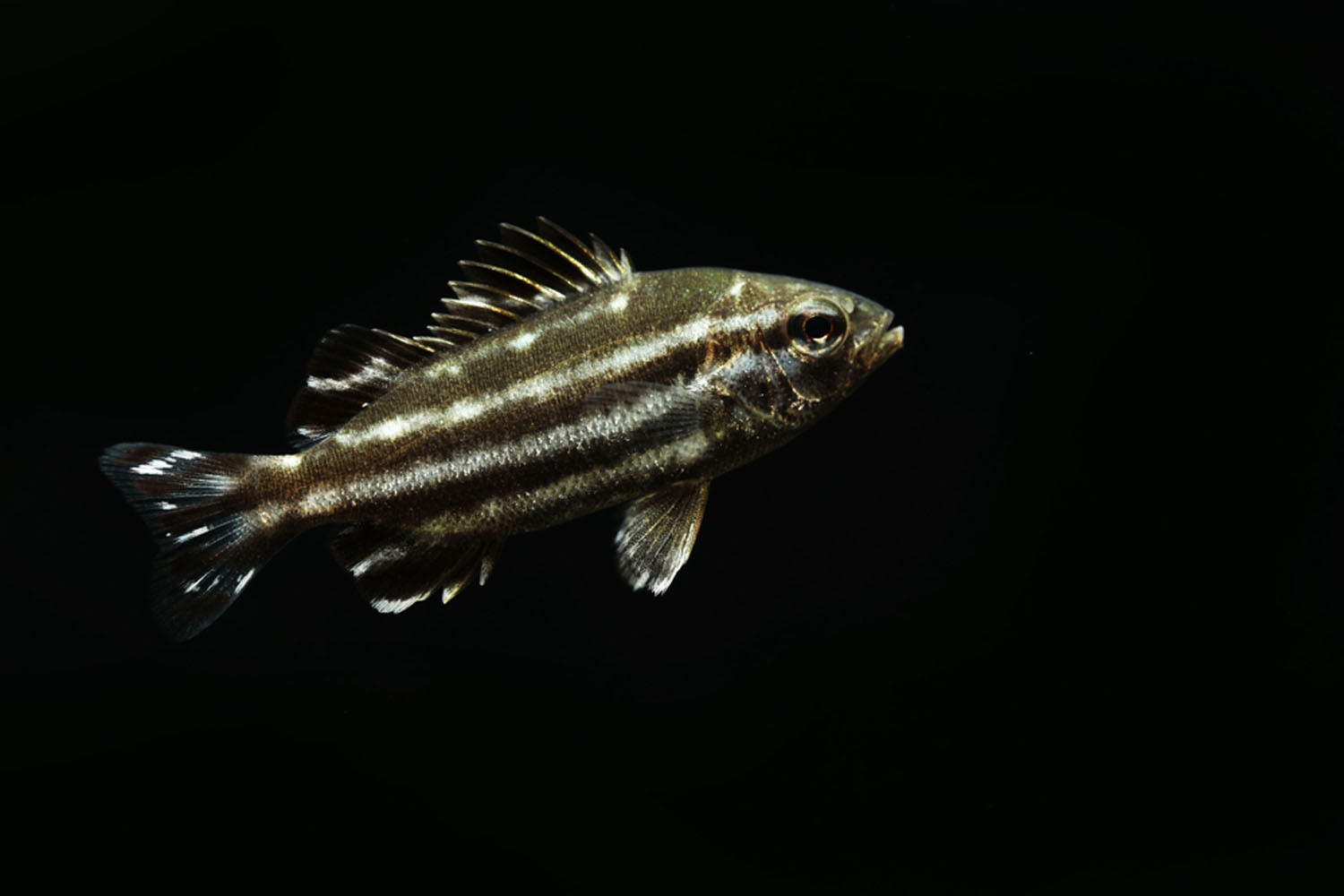
“They have large mouths and the right digestive systems to handle bigger fruits.”
In tropical northern Australia, more fruiting trees grow along rivers and creeks, while these are far less common in cooler, drier regions further south.
“This could explain why we see larger terrestrial invertebrate consumption down in southwestern Western Australia, which is notoriously nutrient poor, even by Australian standards,” Dr Davis said.
He said the findings reinforced the importance of conserving vegetation along waterways.
“Freshwater fish are among the most imperilled animals globally, and Australia is no exception,” he said.
“Understanding how fish rely on surrounding plant ecosystems helps us better protect riparian zones that subsidise and sustain our freshwater environments.”
Read More: Far North